Introduction
Designing a website for a blog is one of the most important steps in starting an online platform. A successful blog not only needs quality content, but its design and structure should also be such that it improves the user experience and attracts a larger audience. In this article, we will go into the details of designing a website for a blog and discuss the key points in this regard.
1. Introduction to Website Design
Website design means creating and organizing the content, graphics, and interactive elements that users encounter when they visit the site. The main goal of website design is to provide a positive and user-friendly experience for visitors. In today’s digital world, websites can have a huge impact on the care of a blog.
2. Choosing the Right Platform for Website Design
One of the first steps in designing a website is choosing the right platform for your blog. Some of the most popular platforms include WordPress, Blogger, and Medium. Each of these platforms has its own unique features and capabilities:
– WordPress: This platform is one of the most popular and powerful content management systems (CMS). With WordPress, you can easily customize your blog and take advantage of thousands of available templates and plugins.
– Blogger: This platform is suitable for those looking for simplicity and convenience. Blogger allows you to quickly launch a blog, but it has fewer features than WordPress.
– Medium: This platform focuses more on writing and publishing content and is a great option for writers who don’t want to get involved in technical issues.
3. Ch the right template for website designoosing
After choosing a platform, the next step is choosing the right template. Your website template should match your content and provide a good user experience. Consider the following points:
– Simplicity and user-friendliness: The template should be simple and user-friendly. Visitors should be able to easily navigate your blog and access the content.
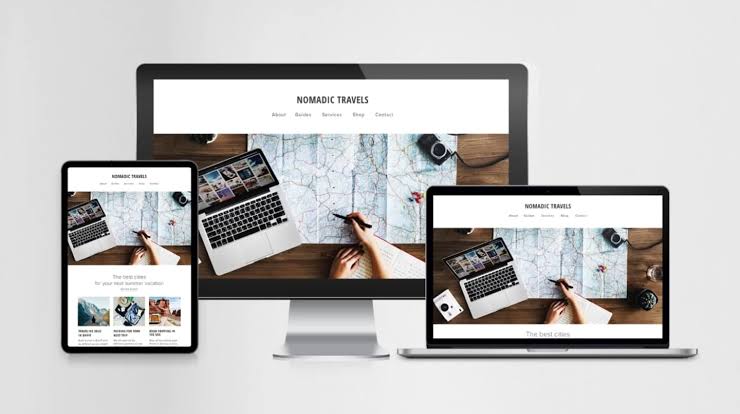
– Responsive: In today’s world, many users use mobile devices to access blogs. So, make sure your template is responsive and displays well on all devices.
– Customization: Choose templates that are easy to customize. This will allow you to design your blog according to your taste and needs.
4. Website Structure
The website structure is one of the key factors in blog design. A logical and user-friendly structure can help improve the user experience. Consider the following points:
– Clear navigation: The navigation menu should be simple and logical. Users should be able to easily navigate to different pages of the blog. The navigation menu should include links to main pages such as “About Us”, “Contact Us” and “Blog”.
– Content Categorisation: Divide your content into different categories. This will help users easily find the topics they are interested in. For example, if your blog is about travel, you can create categories such as “Domestic Travel”, “Foreign Travel” and “Travel Tips”.
5. Visual Design
The visual design of your blog has a huge impact on attracting your audience. Here are some tips for visual design of your blog:
– Use of colours: Colours can evoke different emotions and reactions in users. Choose colors that are consistent with your blog content and brand identity. For example, soft colors may be more appropriate for health blogs.
– Images and Graphics: Using high-quality images and attractive graphics can help increase the attractiveness of your blog. Images should be relevant to your content and help convey your message.
6. Search Engine Optimization (SEO)
Search engine optimization (SEO) is one of the most important steps in website design. It will help you make your blog appear better in search results. Consider the following points:
– Keywords: Use appropriate keywords in titles and text. This will help search engines understand your content better and show it to users who are looking for similar information.
– Meta tags: Write appropriate meta tags for each page. These tags provide detailed information about the content of the page and can affect click-through rates.
– Internal and external links: Use internal links to direct users to other pages on your blog, and also add external links to authoritative sources. This will help improve your blog’s credibility.
7. User Engagement
User engagement is a key factor in the success of a blog. It can help build an active and loyal community. Consider the following:
– Commenting: Allow users to leave comments below posts. This gives them a sense of belonging and can lead to useful discussions.
– Social Media: Include links to your social media accounts on your blog. This allows users to follow you on these platforms and helps them share your content.
8. Quality Content
Quality content is one of the most important factors in attracting and retaining an audience. Consider the following:
– Valuable content: Write content that is useful and engaging for your readers. This can include guides, reviews, and educational articles. Try to answer your audience’s questions and needs.
– Regular Updates: Update your blog regularly. This will help you provide your readers with fresh and engaging content. It also shows search engines that your blog is active and up-to-date.
9. Analyze and Improve
After launching your blog, it’s important to analyze its performance and improve it based on the data. Tools like Google Analytics can help you understand which content is getting the most attention and where you can make improvements.
– Track Website Traffic: Using analytics tools, you can track your website traffic and see which pages are being visited the most.
– Analyze User Behavior: Check how users interact with your blog. Are they able to easily access different pages? Do they spend a lot of time on your blog?
– Survey your users: Ask your users for their opinions and suggestions about your blog. This will help you better understand their needs and wants.
Conclusion
Designing a website for a blog is a complex process that requires attention to detail and careful planning. From choosing the right platform and template to optimizing for search engines and engaging with users, each of these steps can have a huge impact on the success of your blog. By following the tips mentioned above and focusing on quality content, you can turn your blog into a trusted and engaging resource for your readers.
By implementing this guide, you will be able to design your Websitein a way that not only helps attract an audience, but also provides a positive and lasting experience for your readers.








Leave a Reply