Introduction
In today’s digital world, web design is recognized as one of the main pillars of user experience. With the advancement of technology, changes in user behavior and new market needs, web designers must stay up to date and follow new trends. In 2025, web design will pay attention not only to beauty, but also to functionality and smart interactions. In this article, we will examine the web design trends in 2025 and introduce these trends to you with attractive examples.
1. Responsive and Interactive Design
1.1. The Importance of Responsive Design
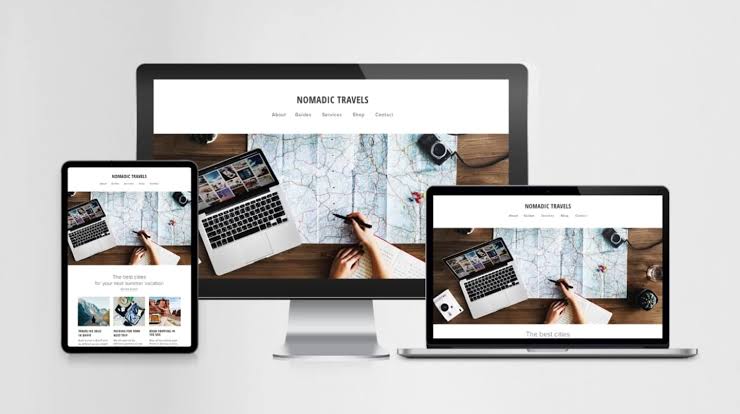
With the increasing use of various devices such as smartphones and tablets, responsive design has become a necessity. In 2025, websites must be designed in a way that automatically adapts to the screen size of the user’s device. For example, the BBC website offers a suitable experience for mobile and desktop users with responsive design.
1.2. Interactive Design
Interactive design allows users to interact directly with the content of the website. For example, Duolingo has made the language learning process more engaging for users by using animations and user interactions. This type of design not only increases the attractiveness but also encourages users to interact more.
2. Artificial Intelligence and Machine Learning
2.1. Personalization of the User Experience
In 2025, artificial intelligence and machine learning will increase dramatically in web design. These technologies allow websites to personalize the user experience based on users’ behavior and interests. For example, Netflix offers movie and series recommendations tailored to their tastes by analyzing user data.
2.2. Chatbots and Customer Service
As AI tools, chatbots allow websites to provide 24/7 customer service. For example, Sephora’s website uses chatbots to help users find the right products and answer their questions quickly. This type of service can improve the online shopping experience and make users feel more comfortable.
3. Minimalist Design
3.1. Simplicity and Efficiency
Minimalist design means removing unnecessary elements and focusing on the content. Websites like Airbnb provide a comfortable and enjoyable experience for users with their simple and user-friendly design. This type of design not only helps with aesthetics, but also loads web pages faster and reduces loading times.
3.2. Use of White Space
White space in web design allows users to focus on the main content. For example, Dropbox’s website easily engages users with its minimalist design and use of white space, preventing confusion.
4. Data-driven design
4.1. Data analysis
Using data in web design helps designers make better decisions. Tools like Google Analytics allow designers to analyze user behavior and create websites that better meet users’ needs. For example, Amazon analyzes users’ purchase data to provide personalized recommendations that improve the shopping experience.
4.2. A/B testing
A/B testing allows designers to test two different versions of a website and choose the best option based on the results. For example, Booking.com consistently uses A/B testing to optimize its pages, thereby increasing its conversion rates.
5. Augmented Reality and Virtual Reality
5.1. New Experiences
With the advancement of augmented reality and virtual reality technology, web designers can create new experiences for users. For example, IKEA’s website uses augmented reality to allow users to view furniture in their real environment before making a purchase. This experience can help increase users’ trust in online shopping.
5.2. Application in Education
Virtual reality can also be used in the field of education and learning. For example, Coursera uses virtual reality technology to provide interactive and engaging courses, which helps users better understand the content.
6. Accessibility-focused design
6.1. The importance of accessibility
Accessibility means creating websites that are usable by all users, including those with physical disabilities. Websites like W3C provide a better user experience for all users by adhering to accessibility principles.
6.2. Accessibility Tools
Using accessibility tools like screen readers and keyboard shortcuts helps users to easily interact with websites. Designers should consider these tools in their designs and ensure that websites are accessible to all users.
7. Colors and Typography
7.1. Vibrant and attractive colors
In 2025, the use of vibrant and attractive colors in web design will become popular. These colors can create positive emotions in users and improve the user experience. For example, Spotify’s website provides a refreshing and pleasant experience for users by using attractive and varied colors.
7.2. Creative Typography
Typography is one of the key elements of web design. Websites like Medium use creative and attractive typography to make their content easy for readers to read. Choosing the right font and combining it with colors can have a huge impact on the user experience.
8. Security and Privacy
8.1. The Importance of Security
With the rise of cyber threats, website security has become a priority. Websites like PayPal ensure that their information is safe by following proper security protocols and using data encryption.
8.2. Privacy Protection
Protecting user privacy should also be considered in web design. Websites like Facebook give users more control over their personal data by providing transparent information about how their data is used and allowing them to manage their privacy settings.
9. Sustainable and Green Design
9.1. The Importance of Sustainable Design
With growing concerns about climate change, sustainable design will become one of the major trends in 2025. Websites like Patagonia are providing information about the environmental impact of their products, enabling users to make more informed choices.
9.2. Using Sustainable Resources
Designers should pay attention to using sustainable resources and using technologies that have a lower impact on the environment. This can include using renewable energy and designing websites that are easy to maintain and update.
10. Voice Interactions
10.1. The Importance of Voice Interactions
With the advancement of voice recognition technologies, voice interactions have become a major trend in web design. Users have gradually switched to using voice assistants and voice search. Websites like Google and Amazon are improving the user experience by optimizing their websites for voice interactions.
10.2. Optimization for Voice Search
Optimizing websites for voice search involves using natural keywords and answering frequently asked questions. This type of optimization can help improve the user experience and increase website traffic.
Conclusion
Web design in 2025 will move towards the use of new technologies, user-friendly designs, and an emphasis on accessibility and security. Web designers must stay up-to-date and follow new trends to provide a better user experience for their users. Given the rapid changes in the digital world, adapting to these trends can be a factor in the success of websites. The year 2025 is an opportunity to innovate and create new experiences on the web that can help improve the quality of life of users.






Leave a Reply